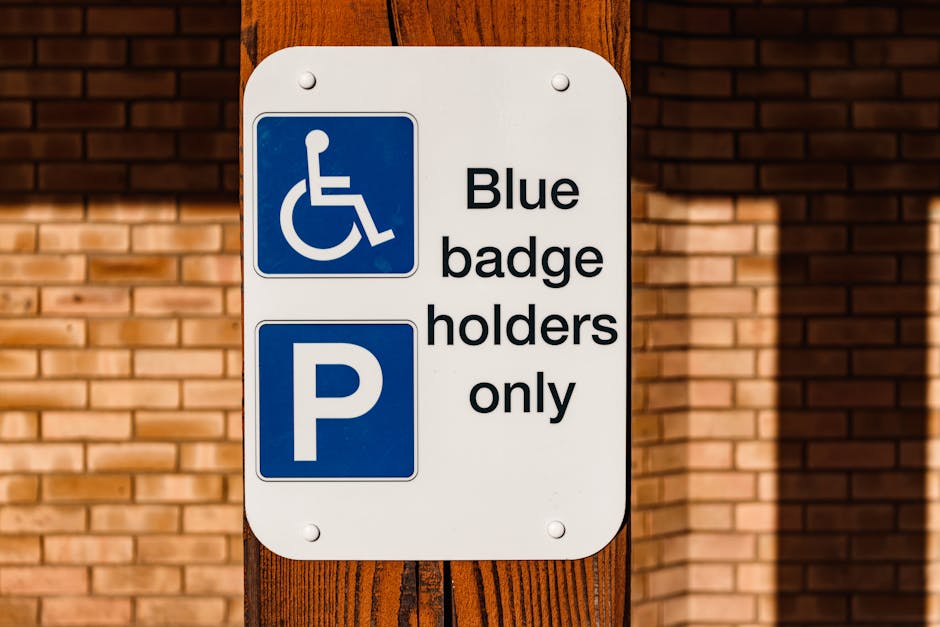
Lampton Parking Permits for Moving Vans: Hounslow Guide

If you are moving in Lampton, parking can be the part that quietly unravels everything. The van arrives, the street is tighter than expected, a neighbour is already half on the kerb, and suddenly your careful plan needs a rethink. This guide to Lampton Parking Permits for Moving Vans: Hounslow Guide is here to stop that from happening. It explains why parking permission matters, how moving-day access usually works, what to check before the van rolls up, and how to avoid the sort of last-minute scramble that makes moving day feel ten times longer than it should.
Whether you are shifting a sofa into a flat near Lampton Road, relocating from a terrace with awkward bay parking, or coordinating a bigger house move with a removal van, the right parking setup can save time, stress, and a fair bit of money. Let's get into the practical stuff.
Why Lampton Parking Permits for Moving Vans: Hounslow Guide Matters
Parking is not just a convenience issue on moving day. In Lampton, it can decide whether your move runs smoothly or turns into an awkward chain of delays. A moving van needs room to stop safely, unload efficiently, and avoid blocking traffic or access for neighbours. If the vehicle ends up circling the area looking for space, the whole operation slows down, and the lifting starts later than it should. Not ideal.
This matters even more in streets with limited width, busy commuter patterns, controlled parking zones, or shared access near flats and estates. A permit, dispensation, or pre-arranged parking plan can give the driver a legal, sensible place to work from. That reduces the chance of fines, complaints, or a rushed unload with boxes sitting on the pavement while everyone tries to be polite and practical at the same time.
There is also a neighbour-relations angle here. A well-managed moving van is far less likely to block drives, bins, or entrances. In a place like Lampton, where many roads already feel tight at the best of times, that goodwill matters. Truth be told, the difference between a calm move and a stressful one is often just a few metres of properly planned parking.
If you are still planning the wider move, it can help to read up on how to keep moving day less stressful and packing efficiently for moving day. Parking and packing go hand in hand more than people expect.
How Lampton Parking Permits for Moving Vans: Hounslow Guide Works
Moving van parking in Lampton generally comes down to a few possibilities: an on-street space that is already permitted for loading, a temporary parking arrangement, a suspension or dispensation where applicable, or a spot on private land such as a driveway or forecourt. The exact route depends on the road layout, the type of property, and how long the van needs to stay in place.
In practice, the process usually starts with checking the local parking restrictions around the property. Is the road controlled? Is there resident-only parking? Are there yellow lines, timed bays, or loading-only restrictions? Once you know that, you can work out whether the van can park without special permission or whether you need to arrange something in advance. Sounds obvious, but many moves go sideways because someone assumed the street would be fine.
For many Lampton homes, especially flats and narrow residential roads, timing matters just as much as permission. If a permit or parking arrangement is only valid in certain hours, the van has to arrive inside that window. That means the whole moving timetable needs to be built around parking, not the other way around. It is a small detail that changes everything.
One practical tip: keep a simple note of the van registration, the moving address, arrival time, and any agreed parking instructions. If you are coordinating with a removal team, include a contact number that will actually be answered on the day. A missing text at 8:15 in the morning can become a very unhelpful 8:45, and nobody wants that.
Key Benefits and Practical Advantages
Getting parking right for a moving van is one of those unglamorous tasks that pays off immediately. It may not feel exciting, but it removes friction from the day in a way that is hard to ignore once you have seen both versions of the move.
- Faster loading and unloading: the team spends less time carrying items from far away.
- Lower risk of parking penalties: you avoid a fine or complaint caused by unsafe or unauthorised parking.
- Less damage to belongings: shorter carry distances mean fewer chances to bump, drop, or scrape furniture.
- Better access for larger items: wardrobes, mattresses, and bulky furniture are much easier to move when the van can get close.
- Less stress for everyone: the driver, movers, and resident all have a clearer plan.
- Improved safety: fewer long carries across traffic, kerbs, or narrow shared paths.
This is especially useful if your move includes larger or fragile items. A piano, for example, is not something you want hauled over a long distance because the van could not get near the door. If that is part of your move, the planning becomes even more important; our Lampton piano removals service and the article on the risks of tackling piano relocation alone are both worth a look.
There is another benefit people overlook: parking confidence. Once the van has a proper place to work from, the rest of the move feels more controlled. Boxes can come down in batches. Furniture can be staged sensibly. And the whole thing just feels less chaotic, even if there is still dust behind the radiator and a kettle somewhere in a packed box. That part never changes.
Who This Is For and When It Makes Sense
This guide is useful for anyone moving in or out of Lampton, but some groups need parking planning more than others. If your move involves a larger van, a busy road, or a property with tight access, it is worth treating parking as a core part of the job rather than an afterthought.
You are most likely to need a permit or parking plan if you are:
- moving from a flat or maisonette with limited roadside space
- living on a road with resident parking controls
- moving a full house load rather than just a few boxes
- using a larger removal van or multiple trips
- relocating heavy or awkward furniture
- moving during busy weekday hours when parking turns over quickly
- working around shared entrances, estate access routes, or narrow streets
Students moving out of shared accommodation also run into this more often than they expect. A smaller load may sound simple, but if everyone is moving on the same day, parking can still be a bit of a free-for-all. If that sounds familiar, the student removals in Lampton page may be useful, along with pre-move decluttering tips to reduce the number of items that need carrying in the first place.
It also makes sense for anyone on a deadline. Completion day, end-of-tenancy checkout, last-day-of-term move, emergency relocation, same-day removal - these situations leave little room for parking mistakes. If time is tight, read who to call for same-day removals in Lampton before the panic starts.
Step-by-Step Guidance
Here is the cleanest way to approach parking for a moving van in Lampton. It is not fancy. It just works.
- Check the street outside the property. Look for bay markings, yellow lines, resident-only signs, loading restrictions, and time limits.
- Measure the practical access. Ask yourself how close the van can realistically get to the front door, building entrance, or loading point.
- Confirm the van size. A small man and van setup and a larger removal van have different space needs.
- Decide whether the move needs special parking arrangements. If parking is likely to be difficult, sort it early rather than hoping for the best.
- Speak with the removal provider. Let them know about narrow roads, stair access, loading distance, and any timing restrictions.
- Prepare signage or instructions if appropriate. For some moves, clear notes for the driver and resident can save a lot of confusion.
- Build parking into the schedule. Don't plan the lifting first and parking second. Do it the other way around.
- Keep the area clear before the van arrives. Wheelie bins, bikes, and parked cars have a nasty habit of appearing exactly when you need space.
In our experience, the best moves in Lampton are the ones where the first box leaves the property only after the van position is fully confirmed. It sounds simple because it is simple. But simple is good on moving day.
If you are dealing with a flat, stairwell, or awkward internal access, this article on third-floor flat stair access solutions is a useful companion piece. For access issues on tighter roads, navigating narrow Lampton Road access can also help you think ahead.
Expert Tips for Better Results
A few small decisions can make the parking side of the move much easier. These are the little things experienced movers tend to notice quickly, usually after watching one too many near-misses.
- Book early where possible. The best access windows are often the ones that disappear first.
- Think about the weather. Rain makes long carries harder, slower, and messier. And yes, the floor gets that damp scuffing sound underfoot.
- Keep the route from van to door clear. A clean passage helps protect both the furniture and the hallway walls.
- Use proper lifting technique. Shorter carrying distances do not eliminate the need for safe handling. They just make it more manageable. If you want a clearer explanation, read the principles behind kinetic lifting.
- Disassemble what you can. Beds, large tables, and some shelving units are easier to manage when broken into smaller parts. The bed and mattress moving guide is worth a look here.
- Use storage if timing overlaps. If parking access is not ideal on move-out day, temporary storage can reduce pressure. See storage in Lampton and the article on keeping your couch pristine in storage.
A small one, but helpful: label the heaviest boxes with room names and a brief note like "lift with two people." That way, the first unload is more organised and less guessy. Nobody likes mystery boxes, least of all movers.
Common Mistakes to Avoid
Parking problems are rarely dramatic on their own. They usually start as minor oversights. Then they multiply. Here are the ones we see most often.
- Assuming parking will be fine because it usually is. Moving day is not a normal day. Traffic and parking turnover can be different from what you remember.
- Forgetting about loading time. A van may be able to stop briefly, but if the load takes an hour, you need a plan for the whole period.
- Not matching the vehicle size to the street. A large van needs more space to position safely than a small one.
- Leaving the parking check until the morning of the move. By then, your options are much thinner.
- Blocking access without warning neighbours or the building. That is how tensions start before breakfast.
- Ignoring stair access, turning space, or pavement width. Parking and carrying are linked. If one is awkward, the other usually is too.
Another common one is overpacking boxes because people are trying to reduce the number of trips. It sounds efficient, but heavy boxes make parking pressure worse because they slow unloading. If you want to avoid that trap, read efficient packing tips and, if you are dealing with bulky items, the guide on moving heavy items safely.
Tools, Resources and Recommendations
You do not need a toolbox full of special gear to sort moving van parking in Lampton, but a few practical tools and habits make a big difference.
- Printed moving-day notes: useful for sharing instructions with anyone helping on the day.
- Phone screenshots of parking signs: handy if you need to refer back to a restriction or timing detail.
- Box labels and room lists: these keep unloading focused and avoid boxes piling in the wrong place.
- Protective covers and blankets: especially helpful when items are carried a longer distance from the van.
- Plenty of tape and marker pens: oddly dull, extremely important.
For moving support, it can help to review the wider service information on services overview, man and van support in Lampton, or removal van options depending on how large your move is. If you are comparing providers, the article on hidden fees in Lampton removal quotes is a useful reality check.
For people moving furniture-heavy homes, the more specialised pages can help too: furniture removals, house removals, flat removals, and if the move is smaller or more flexible, man with a van in Lampton is often the right fit. Different move, different setup. Simple as that.
Law, Compliance, Standards, or Best Practice
Parking for moving vans sits inside a broader framework of road safety, local restrictions, and responsible moving practice. Without getting bogged down in legal detail, the safest approach is to treat any local parking sign or marked restriction as meaningful until you have confirmed otherwise. If a street has resident bays, loading bays, or single/double yellow lines, you should not assume a van can simply stop there because it is a moving day.
Good practice also means thinking about other road users and access needs. Keep driveways clear, avoid obstructing crossings, and make sure pedestrians can pass without squeezing past furniture. That is especially important around flats, narrow roads, and shared estates where people rely on the same access routes all day long.
From an industry perspective, reputable movers should plan loads safely, communicate access issues clearly, and avoid risky shortcuts just to shave off a few minutes. That usually includes checking parking restrictions, confirming the vehicle size, and setting realistic time windows. If your move involves delicate or heavy items, take a look at the company's insurance and safety information and health and safety policy before you commit.
There are also sensible paperwork points to keep in mind. Read the terms and conditions, understand how payment works via payment and security, and if you have a concern, know the route for complaints. It is not glamorous, but it is part of being properly prepared.
Options, Methods, or Comparison Table
Not every move needs the same parking setup. The right choice depends on access, timing, and how much you are moving.
| Parking approach | Best for | Pros | Possible downside |
|---|---|---|---|
| Simple on-street loading | Short, straightforward moves with easy access | Quick to arrange, low friction | Not suitable where restrictions are tight or spaces are limited |
| Temporary permit or dispensation | Controlled streets or longer loading windows | More secure access, less risk of interruption | Needs advance planning and confirmation |
| Private driveway or forecourt | Homes with usable off-street space | Best convenience and shortest carry distance | May still require careful positioning and neighbour coordination |
| Two-stage move with storage | Awkward timings, no parking certainty, or larger loads | Flexibility and less pressure on the day | Extra handling and possible added cost |
If you are moving from a flat or dealing with multiple flights of stairs, a two-stage approach can make a lot of sense. It is not the cheapest route every time, but it can be the calmest. And calm counts. It really does.
Case Study or Real-World Example
Picture a typical Lampton move on a weekday morning. A family is leaving a first-floor flat with a sofa, a wardrobe, two beds, and a lot of boxes that somehow all became heavier overnight. The street has limited parking, and there are already a few resident cars out front. At first glance, it looks manageable. The problem is that the van cannot stay where everyone hoped, so the team would have had to carry everything much farther than planned.
Instead, they check the access early, adjust the arrival time, and position the van where it can legally load with the shortest practical carry. The hallway stays clear. The heavier furniture comes out first. Boxes go in in sequence. The move is still hard work, because moving is moving, but it stays controlled.
A small detail made the difference: the family had already decluttered before the move, used proper packing labels, and booked a service that understood local access. The result was not a perfect fairy tale - there was still a missing set of keys and one oddly shaped lamp shade - but the day stayed on track. That is the real win.
If your own move includes bulky items or awkward access, the articles on parking and access tips for Lampton Park Estate and best moving times near Lampton Park are useful planning companions.
Practical Checklist
Use this as a final pre-move check. It keeps the parking side honest.
- Confirm the moving date and arrival window
- Check for resident bays, loading rules, and yellow-line restrictions
- Confirm whether a permit, dispensation, or private space is needed
- Match the van size to the road width and loading area
- Tell the removal team about stairs, narrow access, or awkward turns
- Keep the route from van to door clear
- Move bins, bikes, and other obstacles out of the way
- Label heavy or fragile boxes clearly
- Prepare payment, access details, and a reliable contact number
- Have a backup plan if parking becomes unavailable
If you are clearing out anything you cannot take with you, this guide on bulky item rules for Lampton residents may help you handle the extras properly instead of leaving them as a problem for later.
Expert summary: the best Lampton parking plan is the one that removes uncertainty before the van arrives. Keep it simple, confirm access early, and treat parking as part of the move itself rather than a side issue. That mindset alone saves a surprising amount of stress.
Conclusion
Lampton Parking Permits for Moving Vans: Hounslow Guide is really about one thing: making the day easier by removing avoidable friction. When parking is sorted, everything else gets easier too - loading, lifting, timing, neighbour relations, and the general feeling that the move is under control rather than controlling you.
Not every move needs a complicated parking arrangement, but every move benefits from a clear one. If you plan early, match the van to the road, and think through access properly, you give yourself the best chance of a smooth, decent-moving day. And after all the boxes, tape, dust, and half-finished cups of tea, that feels pretty good.
Get a free quote today and see how much you can save.
Frequently Asked Questions
Do I need a parking permit for a moving van in Lampton?
Not always. It depends on the road, the parking restrictions, and whether the van can legally stop close enough to load or unload. On streets with controlled parking, resident bays, or yellow-line restrictions, some kind of pre-arranged parking solution may be needed.
How far in advance should I sort parking for a move?
As early as possible. A few days' notice is often better than leaving it to the morning of the move, especially if you live on a tighter residential street or in a flat with limited access.
Can a removal van stop outside my house for loading?
Sometimes, yes. But only if the road layout and parking restrictions allow it. What looks fine at a glance may still be restricted once you check the signs or time limits.
What happens if the van cannot park near the property?
The team may need to park further away, which makes carrying slower and less efficient. In some cases, the move may need to be rescheduled or handled in stages. That is why access checks matter.
Are moving-day parking arrangements different for flats?
Usually, yes. Flats often involve more limited loading space, shared entrances, and tighter manoeuvring room. The parking plan should account for the extra carry distance and stair access.
Is a smaller van better for Lampton roads?
Not automatically, but it can help in narrower streets. A smaller van may be easier to position, though it could require more trips if you have a large load. It is always a trade-off.
What should I tell the removal team before moving day?
Tell them about access restrictions, parking limits, stairs, lift availability, narrow roads, and any time windows. The more accurate the access information, the smoother the day tends to be.
Can I use storage if parking is too difficult?
Yes, and in some cases that is the smarter option. Temporary storage can reduce pressure if parking is uncertain or if the move-out and move-in dates do not line up neatly.
What are the most common parking mistakes people make when moving?
The big ones are leaving it too late, assuming a space will be free, ignoring loading time, and not checking restrictions properly. These are small misses that can become big delays.
How do I make moving day faster once parking is sorted?
Pack well, label boxes clearly, disassemble large furniture where possible, and keep the route clear between the property and the van. Parking is the first domino; organised packing knocks the rest over in a good way.
Do parking rules matter even if the move is only for a few minutes?
Yes. Even a short stop can cause problems if the space is not allowed or if it blocks access. Short does not always mean harmless, unfortunately.
Where can I read more about preparing for a Lampton move?
Useful next reads include moving-house planning, decluttering, packing, and access-focused guides. For example, moving without stress, pre-move decluttering, and cleaning before you move all fit neatly into the bigger picture.