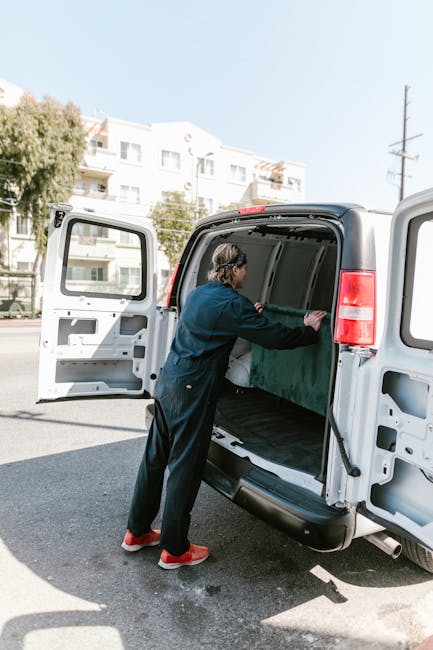
Man with Van Lampton: Next-Day Commercial Moves
If your business needs to move quickly, next-day commercial moves can feel like a tightrope walk: you need speed, but you also need the desks, files, IT equipment, and stock to arrive in one piece. That is exactly where Man with Van Lampton: Next-Day Commercial Moves becomes useful. It is built for businesses that cannot afford long downtime, whether you are shifting a small office, moving a workshop setup, or clearing space for a new lease to begin. In practice, the difference between a stressed scramble and a controlled move is usually planning, timing, and the right team. This guide breaks down how the service works, who it suits, what to check before booking, and how to keep your move efficient without cutting corners.
For readers comparing options, it also helps to understand the wider service picture. A commercial move is rarely just "get the van and go"; it often overlaps with commercial moves, office removals, packing support, and sensible scheduling. Truth be told, that extra structure saves a lot of headaches later.
Table of Contents
- Why Man with Van Lampton: Next-Day Commercial Moves Matters
- How Man with Van Lampton: Next-Day Commercial Moves Works
- Key Benefits and Practical Advantages
- Who This Is For and When It Makes Sense
- Step-by-Step Guidance
- Expert Tips for Better Results
- Common Mistakes to Avoid
- Tools, Resources and Recommendations
- Law, Compliance, Standards, or Best Practice
- Options, Methods, or Comparison Table
- Case Study or Real-World Example
- Practical Checklist
- Conclusion
- Frequently Asked Questions
Why Man with Van Lampton: Next-Day Commercial Moves Matters
Commercial moves are different from domestic removals in one very simple way: time has a cost. If a business sits idle for a day, the impact can show up in missed orders, delayed appointments, poor customer service, or just a general sense of chaos. Next-day support matters because it gives you a realistic way to move fast without booking weeks ahead.
In Lampton and the surrounding west London area, many businesses work from compact offices, shared workspaces, studios, and small storage units. Those spaces often change quickly. A landlord wants the keys back. A new unit becomes available sooner than expected. A business owner spots a better office but needs to act now. Suddenly, next-day availability is not a luxury. It is the thing that keeps the business moving.
There is also a trust angle. When a move has to happen quickly, some people assume speed means carelessness. It should not. A proper man and van commercial service can be both quick and careful, provided the job is scoped sensibly and everyone knows what needs to happen. That is the sweet spot.
Expert summary: Next-day commercial moves work best when the job is small to medium in scale, the access is straightforward, and the business is prepared enough to load and unload efficiently. Speed helps, but preparation is what makes the speed safe.
It is also worth noting that businesses often need more than transport. They may need collection from multiple floors, careful handling of fragile items, or help with temporary storage decisions. In those cases, a broader removal services approach can be more useful than booking transport alone.
How Man with Van Lampton: Next-Day Commercial Moves Works
Next-day commercial moving usually follows a straightforward pattern, though the details vary from one job to another. The key is that the timeline is compressed. You enquire today, confirm details as quickly as possible, and move tomorrow. Simple on paper. Slightly more lively in real life.
Typical process
- You describe the move clearly. Include pickup and drop-off addresses, floor levels, lift access, parking restrictions, and what needs moving.
- The job is assessed. The team estimates the vehicle size, labour needed, and likely timings.
- The schedule is confirmed. For next-day work, this often means rapid communication and a fairly tight decision window.
- Items are prepared. Boxes, furniture, monitors, files, and equipment should be packed or grouped in a sensible way.
- Collection and transport happen. The crew loads carefully, secures items, and moves them efficiently to the new site.
- Delivery and placement follow. Furniture is positioned where possible, and the van is unloaded in an organised sequence.
For office-heavy jobs, a business may also bring in packing and unpacking services to save internal staff from spending the whole day wrestling with tape, labels, and cardboard. And let's face it, nobody enjoys discovering an important cable in the bottom of a random box at 4:30 p.m.
The best next-day move is not a surprise attack on your own operations. It is a controlled handover. If you can prepare the move list, confirm access, and decide what is essential versus what can wait, the whole thing becomes much more manageable.
Key Benefits and Practical Advantages
There are several reasons businesses choose next-day commercial moves rather than waiting for a standard removals slot. Some are obvious, some are easy to overlook until you are under pressure.
- Less downtime. Faster relocation means the business can reopen, resume work, or restart deliveries sooner.
- More flexibility. Useful when leases change, office plans shift, or equipment has to be moved after an urgent decision.
- Lower disruption. A compact move can often be handled outside peak trading hours or in a narrow timeframe.
- Better use of space. If you are consolidating units, replacing furniture, or clearing out old stock, quick transport is practical.
- Good fit for smaller commercial loads. A van-based solution often suits businesses that do not need a full lorry.
There is also a psychological benefit. Once you have a next-day booking in place, the problem feels smaller. The office no longer sits there looking like a half-built packing station with labels everywhere and one stubborn chair still in the corner. You can breathe a bit easier.
For business owners comparing vehicle options, looking at the difference between a moving van and a larger truck-style alternative can help you avoid paying for space you do not need. A nimble vehicle is often enough for next-day commercial work, especially if access is tight or parking is awkward.
Who This Is For and When It Makes Sense
Next-day commercial moves are not for every situation, but they are ideal in a lot of real-world cases. The service tends to suit businesses that need speed, clarity, and a fairly efficient load-and-go setup.
Good fits for next-day commercial moves
- Small offices moving desks, chairs, computers, and filing boxes
- Start-ups relocating from one shared workspace to another
- Retailers moving stock, shelving, or display materials
- Tradespeople moving tools, branded materials, or compact equipment
- Studios and creatives moving props, stands, or production items
- Businesses clearing furniture before a handover deadline
It also makes sense for businesses that need a fast solution after a change in plans. Maybe the new place is ready earlier than expected. Maybe the old premises need to be emptied tomorrow, not next week. Maybe the managing director has just said, "Can we do it sooner?" and the room has gone quiet. Happens more often than you'd think.
If the move is larger, more complex, or involves multiple floors and several teams, you may be better served by a more structured commercial relocation arrangement such as office relocation services. That is especially true when the move includes sequential packing, labelled departments, and equipment that needs to be disconnected and reinstalled in order.
Step-by-Step Guidance
Next-day moves leave very little room for improvisation. The more you can settle in advance, the better the day goes. Here is a practical way to organise it.
1. Make a clean inventory
List everything that needs moving, even if it feels obvious. Include furniture, monitors, printers, storage boxes, stationery cabinets, and anything fragile. If you are moving stock, note approximate quantities rather than vague guesses.
2. Separate essentials from non-essentials
Ask one question: what must arrive tomorrow, and what can wait? This avoids loading the van with items that do not need immediate priority. That small decision can make the day smoother.
3. Confirm access at both ends
Check parking, loading bays, stair access, lifts, and any restrictions on van height or unloading times. A next-day move can be derailed by something as simple as a blocked service entrance. A tiny problem, but a very real one.
4. Pack in a way that speeds up loading
Use sturdy boxes, label them by department or function, and keep heavy items low. If the crew arrives and the office is still in a half-packed state, the move slows down straight away. Packing with purpose really matters here.
5. Protect fragile items
Wrap screens, glass, and delicate equipment with care. If you have IT hardware, ideally keep cables and small accessories together in labelled bags. No one enjoys hunting for one missing adaptor while the rest of the office waits.
6. Agree the order of unloading
If the new site has multiple rooms, decide where things should go before the van arrives. That way, the team can place items directly rather than creating a second moving day inside the building.
7. Stay contactable
During next-day moves, a quick phone call can save twenty minutes of confusion. Keep one person available to answer access questions, approve changes, and confirm arrival instructions.
Expert Tips for Better Results
Small decisions make a big difference in fast commercial moves. These are the practical habits that usually separate a smooth job from a slightly frazzled one.
- Book as early in the day as you can. Even for next-day jobs, an earlier start often gives more breathing room.
- Use colour coding. It is a simple trick, but labels by team, floor, or room save a lot of time at delivery.
- Keep one "open first" box. Put in tape, scissors, chargers, keys, and basic office essentials.
- Take photos of cable setups. This helps when reconnecting desks, printers, or shared equipment.
- Strip back clutter first. Moving time is not the best moment to discover ten old binders, three broken chairs, and a random promotional banner from 2019.
- Plan for parking and timing together. Good access is often more valuable than a bigger van.
In our experience, the jobs that feel calmest are the ones where someone has already thought, "Right, tomorrow is for moving, not deciding." That mindset saves energy. It really does.
If you are disposing of unwanted items as part of the move, a separate furniture pick-up service can sometimes help clear out surplus desks or chairs before the main relocation happens. That can make the move itself cleaner and quicker.
Common Mistakes to Avoid
Fast moves are unforgiving. A small mistake can snowball into delay, damage, or unnecessary expense. Here are the most common issues we see in rushed commercial relocations.
Leaving packing until the final hour
This is the big one. If the van is arriving tomorrow and the boxes are not ready, the entire day becomes less efficient. A mover can transport things quickly, but they cannot magically pack the office for you.
Underestimating access problems
Parking restrictions, narrow entrances, limited lift space, and shared loading zones can all slow things down. These details matter more than people think.
Not separating critical items
Phones, chargers, documents, cash boxes, and IT accessories should not disappear into a generic box pile. Keep them together and labelled.
Ignoring insurance and safety questions
It is wise to check that the mover is clear about handling, loading, and what happens if something goes wrong. A reliable provider will be straightforward about this and should not be vague.
Choosing the wrong vehicle size
Too small, and you need extra trips. Too large, and you may pay for unused capacity or struggle with access. The right fit saves time and stress.
Sometimes the smartest move is to use a smaller commercial removal option paired with a bit of advance sorting. If you need ongoing help, removal company support can offer a broader service mix than one-off transport alone.
Tools, Resources and Recommendations
You do not need a warehouse of special equipment to make a next-day move work. But a few basic tools help a lot.
- Strong boxes and labels for clear organisation
- Bubble wrap or paper wrap for fragile items
- Tape and marker pens for fast packing and labelling
- Furniture blankets for desks, cabinets, and screens
- Phone photos of workstations before disconnecting them
- Access notes listing parking, entrance codes, and contact names
It also helps to keep a shared move sheet that lists what is going, what is staying, and who is responsible for each section. A simple spreadsheet is enough. Nothing glamorous. Just practical.
For businesses that want a one-stop moving setup, a removal company page can be a useful starting point when comparing the broader service structure, while a smaller-scale service like man with van is often more appropriate for compact commercial loads and tight schedules.
Law, Compliance, Standards, or Best Practice
Commercial moves often touch on safety, liability, and duty of care. You do not need legal jargon to handle them well, but you do need sensible expectations.
In the UK, businesses should think carefully about workplace safety while items are being lifted, carried, and transported. That means reducing trip hazards, keeping walkways clear, and not asking staff to lift anything beyond what is reasonable for them. If the move includes heavy or awkward items, using trained movers is simply the safer choice.
Best practice also includes clear instructions about fragile equipment, confidential paperwork, and secure disposal. If files or devices contain sensitive data, the move should be managed carefully so items are not left unattended or mixed with waste.
Insurance matters too. You should always be clear about what is covered, what needs declaring, and how items should be packed. Providers should be able to explain their insurance and safety approach in plain English. If they cannot, that is a mild red flag. Not dramatic, just enough to make you pause.
Best practice is also outlined in a provider's own operating policies. Reading health and safety policy and terms and conditions gives you a clearer picture of how the move is handled, what responsibilities sit where, and how any issues are dealt with if plans change.
And because business operations often involve customer data, keys, stock, and assets, it is sensible to check payment handling and booking security as well. A dependable provider should have clear information on payment and security so you know how your booking is processed.
Options, Methods, or Comparison Table
If you are deciding how to handle a next-day commercial move, it helps to compare the main approaches side by side. The right option depends on the volume, urgency, and access at both properties.
| Option | Best for | Strengths | Trade-offs |
|---|---|---|---|
| Man with van commercial move | Small to medium business moves, quick turnarounds | Flexible, fast, usually easier to schedule next day | Less suitable for large or highly complex relocations |
| Office removals team | Structured office relocations | More support for larger or staged jobs | May need more planning time |
| Full removal company setup | Larger loads, multiple departments, heavier furniture | Broader capacity and labour | Can be more expensive and less agile |
| Self-managed move with hired vehicle | Very small moves or internal team-led relocations | Simple in theory, direct control | Higher risk of delay, manual handling strain, and disorganisation |
The comparison is not about which is "best" in general. It is about what fits the job. A van-based commercial move is often the most sensible route when you need speed and enough support without turning the move into a production.
Case Study or Real-World Example
Here is a realistic example. A small creative studio in west London needs to move from a shared office into a new workspace the following day because the landlord has arranged handover work earlier than expected. The team has six desks, monitors, desktop computers, chair stacks, sample folders, and a few pieces of display kit.
They do three things well. First, they split items into "urgent tomorrow" and "later this week." Second, they label each workstation by name. Third, they clear the access route the evening before so loading can begin quickly the next morning. Nothing fancy, just sensible prep.
On moving day, the van is loaded in a steady order: fragile screens, boxed IT gear, then furniture and loose items. At the new site, items are placed in room order rather than dumped in one pile. The whole thing is over quickly enough that the team can keep working that afternoon, apart from a few people who spend twenty minutes arguing about who has the good kettle. A very normal office moment, really.
That is what a good next-day commercial move should feel like: busy, yes, but controlled enough that the business remains functional.
Practical Checklist
Use this before the move day arrives. It is simple, but simple is good here.
- Confirm pickup and delivery addresses
- Check access, parking, lifts, and entrance restrictions
- List every item being moved
- Separate urgent items from non-urgent items
- Label boxes by department, room, or workstation
- Protect fragile equipment and screens
- Keep cables, chargers, and adapters together
- Decide where items should be placed at the new site
- Nominate one contact person for the moving day
- Review safety, insurance, and booking details
- Clear corridors and loading areas before the van arrives
- Keep essential documents and keys accessible
Quick reminder: if the move includes storage clearance or leftover office furniture, it can be worth planning the disposal side separately rather than hoping it will sort itself out. It usually does not.
If you are comparing broader moving support, you may also want to look at movers for a general overview of service capability and removals near me if you are checking local availability and response times. Those pages can help frame your decision without overcomplicating it.
Conclusion
Man with Van Lampton: Next-Day Commercial Moves is a practical answer to a very common business problem: you need to move quickly, but you still need the job done properly. The real value is not just speed. It is speed with enough care, coordination, and local awareness to keep your business functioning before, during, and after the move.
When you prepare the access details, sort the inventory, and keep the load focused, next-day commercial relocation becomes far less daunting. And honestly, that is usually the difference between a stressful scramble and a move you can actually get through without everyone feeling frazzled by lunchtime.
If your business is facing a time-sensitive move, start with clarity, keep the plan simple, and choose support that suits the size of the job. That way, you protect both your schedule and your sanity. A rare combination, but not impossible.
Get a free quote today and see how much you can save.
For a direct next step, you can also review the company's pricing and quotes information and learn more about the business on the about us page. If you are ready to talk specifics, the contact us page is the obvious place to begin.
Frequently Asked Questions
What is a next-day commercial move?
A next-day commercial move is a fast-turnaround business relocation arranged for the following day. It is commonly used for offices, shops, studios, and small business spaces that need to move quickly with minimal downtime.
How much notice do I need for a next-day move?
As much notice as possible is always better, but next-day work is designed for urgent situations. The key is to provide clear details quickly so the move can be assessed and scheduled without delay.
Is a man with van service suitable for office removals?
Yes, it can be a strong fit for smaller office removals and compact commercial moves. It is especially useful where access is tight, the load is moderate, and speed matters.
What items can be moved on a next-day commercial booking?
Typical items include desks, chairs, monitors, boxed files, shelving, small cabinets, stock, and compact equipment. If you have unusually heavy or specialist items, it is best to mention them early.
Can you move IT equipment safely?
Yes, provided it is packed properly and handled with care. Screens, laptops, accessories, and cables should be organised and protected before loading. A little preparation goes a long way.
How do I prepare my business for a fast move?
Start by listing items, labelling boxes, checking access, and deciding what needs to move immediately. Keeping one person in charge of communication also makes the day far smoother.
What if my office has difficult access or parking issues?
Tell the mover in advance. Access issues can affect vehicle choice, timing, and loading plans. It is much easier to manage them before the van arrives than to discover them on the pavement.
Is next-day moving more expensive?
It can be, depending on the size of the job, the timing, and the level of labour required. Urgent work sometimes carries a premium because it needs flexible scheduling.
Do I need packing help as well?
Not always, but packing help can save a lot of time for business moves. If you are short on staff or dealing with fragile items, packing and unpacking services can be worth considering.
What should I ask before booking a commercial move?
Ask about vehicle size, availability, access requirements, insurance, handling of fragile items, and what happens if plans change. Clear answers are a good sign. Vague ones, not so much.
Can a next-day move include furniture removal?
Yes, if the furniture is part of the move or needs collecting separately. If you are clearing out old office items, a service like furniture pick-up may help with the clearance side of the job.
What is the best way to keep the business running during the move?
Move the essential items first, keep key documents and devices accessible, and assign one person to oversee decisions on the day. A staged approach is often the simplest way to stay operational.
Where can I learn more about service quality and safety?
It helps to read the provider's health and safety policy and insurance and safety information. Those pages give a clearer sense of how the move is managed.