TW3 Terraced House Removals Near Lampton Park Routes: A Practical Local Guide
If you are planning TW3 terraced house removals near Lampton Park routes, you already know the challenge is not just lifting boxes. It is the tight front path, the awkward staircase, the parked cars outside, and the reality that one small delay can throw the whole day off. Terraced homes in this part of TW3 often sit on streets where access matters as much as the packing itself. That is exactly why a local, well-planned move makes such a difference.
In this guide, we will break down how these removals work, what tends to go wrong, where the time savings come from, and how to prepare your home so the move feels controlled rather than chaotic. A move near Lampton Park can be smooth, but only if the route, parking, loading order, and property layout are all considered early. Let's get into the useful bits.
- Why TW3 terraced house removals near Lampton Park routes Matters
- How TW3 terraced house removals near Lampton Park routes Works
- Key Benefits and Practical Advantages
- Who This Is For and When It Makes Sense
- Step-by-Step Guidance
- Expert Tips for Better Results
- Common Mistakes to Avoid
- Tools, Resources and Recommendations
- Law, Compliance, Standards, or Best Practice
- Options, Methods, or Comparison Table
- Case Study or Real-World Example
- Practical Checklist
- Conclusion
- Frequently Asked Questions
Why TW3 terraced house removals near Lampton Park routes Matters
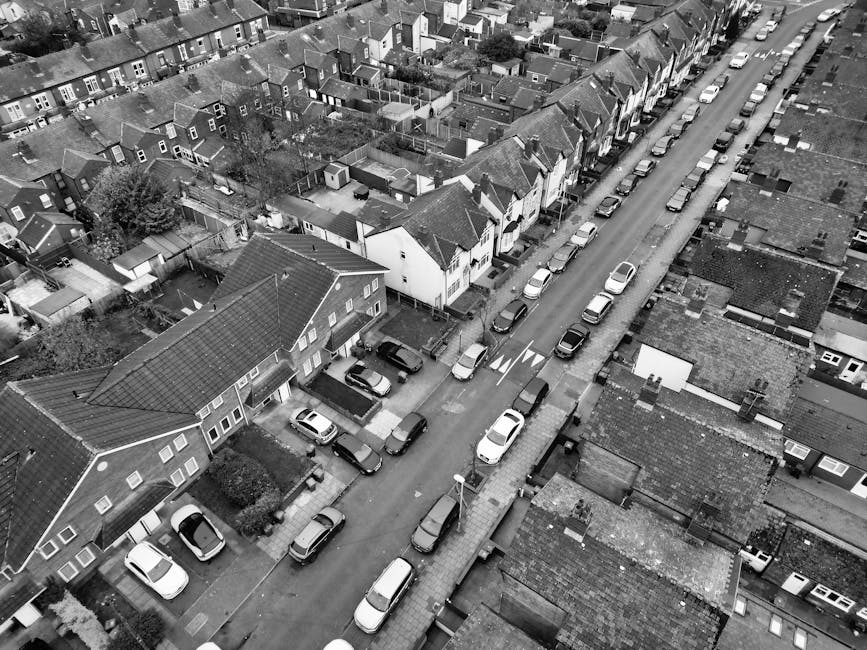
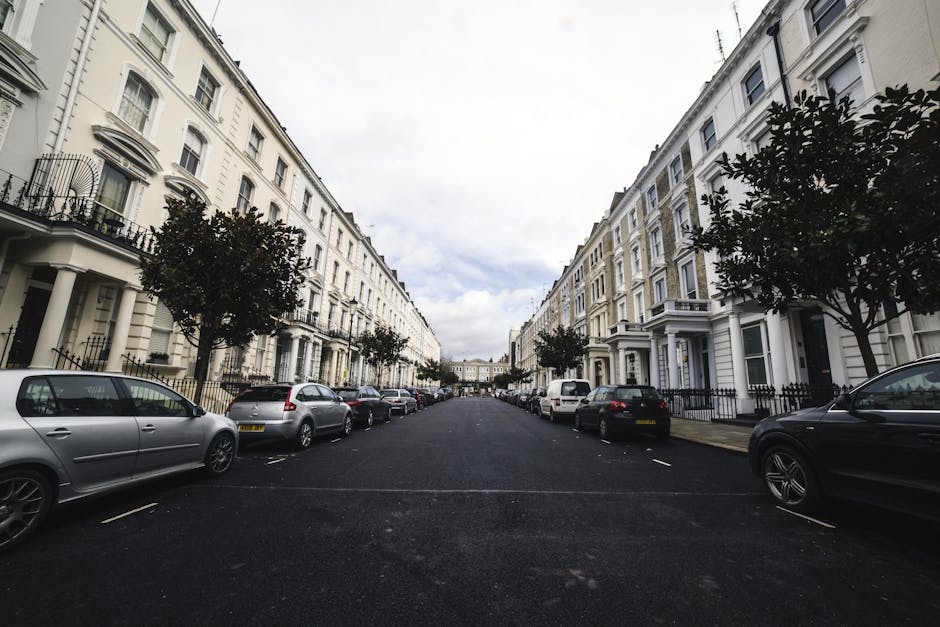
Terraced houses are efficient places to live, but they are rarely easy places to move from. In TW3, the streets near Lampton Park can bring a mix of residential parking, narrower access, and timings that need a bit of thought. That matters because removals are not only about manpower. They are about sequence, distance, and access.
Think about the typical terraced layout: narrow hallway, stairs that turn halfway up, a small front room packed with furniture, maybe a loft box or two, and a neighbour's car positioned almost exactly where the van wants to stop. If that sounds familiar, you are not alone. In our experience, these are the kinds of properties where five minutes of planning can save forty minutes of lifting, shuffling, and apologising down the road.
The Lampton Park area adds another layer. Routes can be busier at certain times of day, and a wrong approach to parking or loading can mean long carries, awkward turns, and more risk of knocks to furniture or walls. No one wants the sound of a dining table leg catching a newel post. Nobody.
For that reason, a local removal approach works best when it is based on actual street conditions, not generic moving advice. The move should fit the home, the route, and the timing. That is the real difference.
For readers comparing removal styles, it can also help to understand the wider service structure on the site, including house removals and broader removal services, which give a clearer picture of what a full move can include.
How TW3 terraced house removals near Lampton Park routes Works
A good terraced-house move near Lampton Park usually begins before the van arrives. The process is less dramatic than people expect, which is often a relief. It starts with a practical look at the property, the road layout, parking access, and the volume of items to move. After that, the team decides how to sequence loading so the heaviest or most awkward items do not block everything else.
Here is the basic flow:
- Pre-move assessment: Check room count, stairs, furniture size, fragile items, and access issues.
- Parking and route planning: Identify where the vehicle can legally and safely stop, and how close it can get to the front door.
- Packing and protection: Wrap furniture, secure loose parts, and separate fragile items from general household goods.
- Loading strategy: Load in a stable order so items remain protected and the van is packed efficiently.
- Transport and unloading: Move items carefully to the destination and place them in the right rooms, not just in a heap by the door.
The route near Lampton Park matters because even a short move can become inconvenient if the van cannot sit close to the property. That is where a local crew's familiarity helps. They know where a small turning circle is better than a larger vehicle, when it is sensible to use a smaller van or multiple trips, and how to avoid bottlenecks. Simple stuff, but it makes a big difference.
If you want to compare van-based options, a page like man and van or man with van can be useful background reading, especially for smaller terraced moves or partial-load jobs.
Key Benefits and Practical Advantages
The obvious benefit is convenience. The less obvious benefit is control. Terraced house removals done well tend to remove a lot of the usual friction: no guesswork on parking, no dragging wardrobes through tight hallways, no last-minute panic because the sofa will not fit on the first attempt. Honestly, that alone can change the whole tone of moving day.
Here are the practical gains people usually notice:
- Less time wasted on access issues: A team that understands local street patterns can load faster and with fewer stops.
- Reduced damage risk: Proper protection and handling reduce scrapes on stair edges, bannisters, and furniture corners.
- Better planning for fragile or bulky items: Items like mirrors, mattresses, appliances, and flat-pack furniture need different handling.
- Less stress for neighbours: A tidy, efficient move creates less disruption on narrow roads and shared frontages.
- More accurate scheduling: When access is realistic, arrival and completion times are easier to predict.
There is also a mental benefit that people underestimate. When the move is structured, the day feels manageable. You can make tea. You can find the kettle box. You can breathe for a second. To be fair, that is worth a lot.
Expert summary: For terraced house moves near Lampton Park, the best results usually come from early access planning, sensible vehicle choice, and careful item sequencing. The move may be short in distance, but the details matter.
Who This Is For and When It Makes Sense
This type of move is a strong fit for several kinds of households. If you live in a terraced home near Lampton Park routes, it may make sense if you are moving locally, relocating across Hounslow, or shifting between homes with similar access constraints. It also works well if you have furniture that is awkward to carry, a lot of household boxes, or a mix of large and delicate items.
It is especially helpful for:
- families moving from a terraced starter home to a larger property
- couples upsizing or downsizing within TW3
- renters on fixed moving dates who need efficient turnaround
- owners with limited driveway or rear access
- people moving items in stages rather than all at once
It may also suit you if your property has a narrow staircase, a small front garden wall, or limited on-street stopping space. Those details sound minor until the move starts. Then they become very real, very quickly.
If your move includes extra items, it can be useful to look at related services such as furniture pick up or packing and unpacking services, particularly if you want to reduce the amount of lifting on the day.
Step-by-Step Guidance
A local move goes much better when the steps are clear. Here is a practical sequence you can follow.
1. Walk the property before moving day
Start with the hallway, stairs, loft access, and front path. Measure anything awkward: wardrobes, sofas, beds, and large appliances. It sounds basic, but it stops the classic problem of discovering too late that a bed frame needs dismantling. Been there, regretted that.
2. Decide what is moving and what is not
Do not pay to transport items you no longer want. Separate keep, donate, recycle, and discard piles early. If you are clearing out a terraced home, this step can cut the volume by more than you expect. A lighter move is usually a cheaper and calmer one.
3. Prepare parking and access
Check where the van can stop, where it can turn, and whether neighbours' vehicles could block access. If loading is going to happen near Lampton Park routes, time of day matters. Mid-morning often feels easier than school-run or commute periods, though every street has its own rhythm.
4. Pack room by room
Label boxes clearly and keep one box for immediate essentials. Kettle, mugs, chargers, toiletries, basic tools. That little box is a lifesaver at the end of a tiring day when the house is full of cardboard and nobody can find the scissors.
5. Protect the furniture properly
Use wraps, blankets, and straps where needed. Tables, shelving, and mattress surfaces are common points of damage if rushed. Clear loose shelves, remove detachable legs, and tape small fittings into labelled bags.
6. Load in the right order
Heavier, stable items usually go in first. Fragile items need secure placement, not a soft promise that they will be fine. They usually are not, if they are left loose.
7. Unload by priority
At the new address, place beds, essentials, and kitchen boxes first. That helps the home become liveable sooner. You do not need a perfect unpack in one day; you need a sensible one.
Expert Tips for Better Results
A few small decisions can make a very noticeable difference. In terraced-house removals, the best tips are often the boring-looking ones. Boring, but effective.
- Use a smaller vehicle if access is tight: A slightly smaller van that can park closer may be better than a larger one that creates a long carry.
- Disassemble only what needs to be disassembled: Over-dismantling adds time and confusion. Strip down only the pieces that truly need it.
- Photograph cable setups: A quick phone photo of the back of the TV or router can save a lot of irritation later.
- Keep doorways clear: Boxes left in the hallway become trip hazards fast.
- Use colour labels: A colour per room speeds up unloading and reduces arguments over where the lamp should go.
One trick people often miss: keep a small toolkit and a roll of tape separate from the main boxes. It is a tiny thing, but when a bed bolt goes missing at 7:30 in the evening, you will be glad you did. Trust me.
If you are comparing removal approaches, reading about broader options such as removals near me or man and van removals can help you judge which style fits your access, budget, and timeline.
Common Mistakes to Avoid
Most moving-day problems are preventable. They are not mysterious, just annoying. And usually avoidable if someone thinks ahead by a day or two.
- Leaving packing too late: Rushing creates poor labelling, mixed boxes, and broken items.
- Ignoring road access: A van that cannot stop nearby turns a simple job into repeated lifting.
- Not checking stair widths: Terraced homes often have turns and tight corners that matter more than expected.
- Forgetting fragile item protection: Plates, mirrors, lamps, and glass need more than hope.
- Underestimating the time needed: Even local moves can take longer if loading access is awkward.
- Mixing essentials with everything else: You do not want your toothbrush buried under winter jumpers.
Another common issue is assuming all removals are the same. They are not. A flat in a wide-open block and a terraced house near Lampton Park routes are very different jobs. The access alone changes the whole plan.
Tools, Resources and Recommendations
You do not need a truckload of equipment to move well, but a few practical tools help a lot. The right kit keeps the day tidy and reduces damage.
| Tool or resource | Why it helps | Best use case |
|---|---|---|
| Furniture blankets | Protects surfaces from scrapes and knocks | Sofas, wardrobes, tables |
| Strong tape | Keeps packing secure and fittings together | Boxes, bagged screws, cable bundles |
| Labels and marker pens | Makes unloading faster and more accurate | Room-by-room packing |
| Mattress covers | Helps keep bedding clean in transit | Beds and mattresses |
| Basic toolkit | Useful for dismantling and reassembly | Bed frames, shelving, furniture legs |
| Loading straps | Improves safety and stability inside the van | Heavy or tall items |
For people who want a more complete move, home moves and movers pages may help you compare what levels of support are available. If you have a lot of boxes, a van option with sensible loading support is usually worth it.
And if the move involves clearing old furniture or unwanted items, the site's recycling and sustainability guidance at recycling and sustainability is a sensible place to think through disposal properly rather than leaving a pile for later. Later has a way of becoming never, doesn't it?
Law, Compliance, Standards, or Best Practice
Moving home is not a heavily regulated event in the same way as some trades, but there are still important standards and duties to keep in mind. Safety, insurance, parking, and responsible handling all matter. A good removal company should be able to explain how it manages vehicle safety, lifting practices, and item protection without turning the conversation into jargon soup.
Best practice usually includes:
- Safe lifting techniques: Heavy items should be moved by trained people using sensible posture, grip, and teamwork.
- Clear insurance understanding: You should know what is covered and what is not before the move begins.
- Respect for access routes: Common areas, hallways, and pavements should be used carefully and left tidy.
- Transparent pricing: Costs should be explained clearly, including any charges related to extra labour, distance, or difficult access.
- Secure handling of goods: Items should be packed and loaded in a way that reduces the chance of damage in transit.
If you want to understand the company's safety approach, the pages on insurance and safety and health and safety policy provide useful background. For payment clarity, the payment and security information is equally helpful before you confirm anything.
It is also sensible to read terms carefully. Not thrilling, I know, but useful. The terms and conditions page can help set expectations around responsibility, scheduling, and service scope.
Options, Methods, or Comparison Table
Not every terraced-house move needs the same solution. Here is a straightforward comparison to help you decide what fits best.
| Method | Best for | Advantages | Trade-offs |
|---|---|---|---|
| Man and van | Smaller loads, local moves, flexible timing | Quick, adaptable, often cost-effective | May not suit large household moves without multiple trips |
| Full house removals | Larger homes, more furniture, higher volume | More support, better for complex moves | Usually needs more planning and may cost more |
| Partial-load removal | One-off bulky items or a few rooms | Good for smaller, staged moves | Less efficient for a full household |
| Packing add-on | Busy households, fragile belongings | Saves time and reduces stress | Extra service cost |
For a terraced house near Lampton Park routes, the sweet spot is often somewhere between a flexible van service and a more structured house move. The right choice depends on how much you own, how tight the access is, and how much lifting you want to avoid.
Case Study or Real-World Example
Here is a realistic example based on the kind of move that comes up often in TW3. A couple living in a two-bedroom terraced house near Lampton Park needed to move a short distance within the area. The property had a narrow hallway, a steep staircase, and limited front access because of parked cars on both sides of the road. Not ideal. Not impossible, though.
They started by sorting items into keep, donate, and discard piles a week ahead. Furniture was measured, the bed was partly dismantled, and fragile kitchen items were packed separately. On the day, the team used a smaller vehicle that could stop closer to the property, which reduced carrying time and made loading easier. The crew prioritised the sofa, mattress, and white goods first, then packed boxes around them in the van so nothing shifted.
The result was simple but valuable: fewer trips, no surprise delays, and a move that finished without the usual scramble. The couple said the best part was not the lifting being easy, because it never really is, but the fact that they always knew what was happening next. That predictability matters more than people expect.
That is the thing with local terraced moves. When the access is awkward, the solution is rarely brute force. It is planning, sequencing, and a bit of street-level common sense.
Practical Checklist
Use this checklist in the final few days before your move. It keeps the day from drifting into chaos.
- Confirm the moving date and arrival window
- Measure large furniture and note anything that may need dismantling
- Clear hallways, stairs, and the front entrance
- Arrange parking access and check local restrictions
- Pack essentials separately for the first night
- Label boxes by room and priority
- Protect fragile items and mirror surfaces
- Set aside tools, chargers, keys, and documents
- Disconnect appliances safely where appropriate
- Do a final sweep of lofts, cupboards, and under beds
Quick reminder: the fewer decisions you leave for moving day, the easier the day feels. Small thing, big impact.
If you are still comparing providers, it can help to review the main removal company page alongside pricing and quotes so you can judge service level as well as cost. And if you want a broader overview of the business, the about us page gives helpful context about how the service is presented.
Conclusion
TW3 terraced house removals near Lampton Park routes are manageable when the move is planned around the property, the road, and the furniture you actually own. The best outcomes usually come from straightforward things done well: early packing, realistic access planning, careful loading, and clear communication.
If your move feels a little daunting, that is normal. Terraced-house removals often look more complicated than they end up being, especially once the route, parking, and item order are sorted. Keep it practical, keep it calm, and do not leave the awkward parts to chance.
Get a free quote today and see how much you can save.
And if you would like to make the move feel even smoother, explore the service details, ask the practical questions early, and give yourself a little breathing room. A good move is not about perfection. It is about arriving with your head still clear.
Frequently Asked Questions
What makes terraced house removals near Lampton Park routes different from other local moves?
The main difference is access. Terraced homes often have narrower hallways, tighter stair turns, and less convenient parking. Near Lampton Park routes, local traffic patterns can also affect where the van can stop and how quickly loading can happen.
Do I need a full removals team for a terraced house move in TW3?
Not always. If your load is small or the move is local, a man and van style service may be enough. For larger homes, bulky furniture, or more fragile items, a fuller removals setup is usually the better fit.
How far in advance should I book?
As early as you reasonably can, especially if you are moving at month-end or on a weekend. Terraced-house jobs with access constraints benefit from planning ahead because parking and timing matter more than people expect.
What if my street is too narrow for a large van?
That is a common issue. A smaller vehicle, multiple trips, or a revised loading point may solve it. The goal is to reduce carrying distance without forcing the van into a spot that makes the move harder or less safe.
Can I move large furniture through a terraced house staircase?
Often yes, but it depends on the dimensions and the stair layout. Sofas, wardrobes, and bed frames sometimes need dismantling or special handling. Measuring beforehand saves a lot of trouble.
Are packing services worth it for a local move?
If time is tight or you have fragile belongings, yes, they can be worth it. Packing support often pays for itself in reduced stress and fewer breakages. It is not essential for everyone, but it helps more than people assume.
How do I prepare for moving day if parking is limited near Lampton Park routes?
Check possible stopping points early, think about timing, and clear the front access as much as possible. If parking is likely to be difficult, tell the removals team in advance so they can plan the vehicle and loading order properly.
What items should I keep with me during the move?
Keep valuables, documents, medication, keys, chargers, and a small essentials bag with you. It is also wise to keep kettle basics, toiletries, and a change of clothes separate from the main load.
How can I reduce the cost of my terraced house removal?
Declutter before moving, pack what you can in advance, and make access as straightforward as possible. Clear parking and good labelling can also reduce labour time. The cleaner the job, the smoother the quote tends to be.
What should I ask before I confirm a removal booking?
Ask about the vehicle size, access assumptions, insurance, pricing structure, and whether any extra labour charges could apply. It is much better to clarify those points before the move than argue about them halfway through a staircase.
Is it better to move in the morning or later in the day?
Morning often works best for terraced-house removals because roads are usually a bit calmer and everyone has more energy. That said, the best slot depends on local traffic, parking patterns, and your own schedule.
What if I also need old items removed or recycled?
That can often be planned alongside the move. If you have furniture or household goods you no longer want, mention it early so disposal or pick-up can be arranged in a sensible way, rather than left as an afterthought.