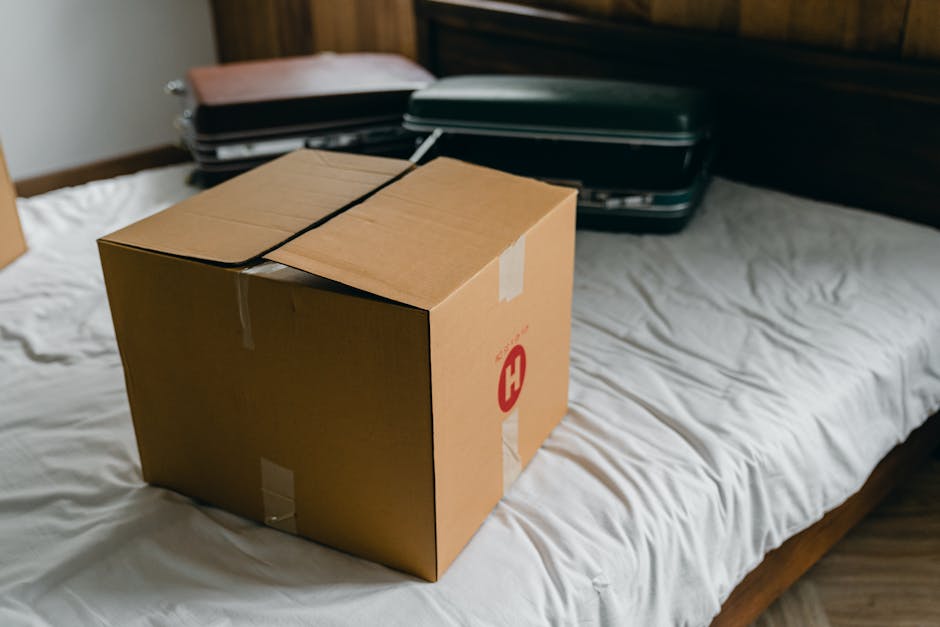
Hounslow Council Bulky Item Rules for Lampton Residents
Posted on 26/06/2026

If you live in Lampton and have a sofa that no longer fits your flat, a mattress that's seen better days, or an old wardrobe taking up half the hallway, the local bulky waste rules can feel like a small bureaucratic maze. The good news? Once you understand the Hounslow Council Bulky Item Rules for Lampton Residents, the whole thing becomes much simpler. This guide walks you through how the system usually works, what to watch for, how to avoid delays, and when a private removal option may be the more practical choice. It's written for real life, not just policy documents.
And let's be honest: bulky items are rarely "just one item". It's usually a sofa plus cushions, a bed frame plus mattress, maybe a freezer that has quietly become part of the furniture. A bit of planning saves a lot of hassle later.
Why Hounslow Council Bulky Item Rules for Lampton Residents Matters
Bulky waste rules matter because they determine what can be collected, how it should be presented, and what happens if you leave items out incorrectly. For Lampton residents, that means less guesswork, fewer missed collections, and fewer problems with cluttered communal areas or blocked pavements. If you live in a flat, especially one with limited access, these details matter even more.
There's also a neighbourly side to this. A bulky item left in the wrong place can become an eyesore very quickly. In shared buildings, it can block bin stores, attract complaints, or simply make everyone's morning a bit worse. Nobody wants to step around a broken chest of drawers at 8am with a coffee in hand.
From a practical point of view, understanding the rules helps you decide whether council collection is enough or whether you need a removal team. For example, a single armchair may be straightforward. A two-bedroom flat clear-out after a move-out? That's another story entirely. If you are also trying to declutter before moving, it can help to read pre-move decluttering tips so you don't pay to move things you were going to throw away anyway.
How Hounslow Council Bulky Item Rules for Lampton Residents Works
In plain English, bulky item collections are a way for households to dispose of large household items that do not fit in normal bins. Think sofas, beds, wardrobes, tables, chairs, certain appliances, and similar items. The precise process can change, so the safest approach is always to check the council's current instructions before you book or put anything outside.
Typically, the process involves booking a collection, listing the items you want removed, preparing them correctly, and placing them where the crew can safely access them. That last bit is where many people stumble. A bulky item service is not usually a "dump it anywhere and hope for the best" arrangement. Access, timing, and item condition all matter.
In Lampton, that becomes especially relevant if you're dealing with narrow stairways, controlled parking, or a ground-floor communal entrance with a strict management company. A useful related read here is stair-access solutions for 3rd-floor flats, because the same access issues that make moving hard also make waste collection tricky.
As a rule of thumb, councils often expect items to be:
- safe for crew members to handle
- reasonably accessible from the property boundary or agreed collection point
- free from loose hazardous materials
- separated if the item needs dismantling
- ready for collection at the stated time window
That sounds obvious, but the devil really is in the detail.
Key Benefits and Practical Advantages
Using the correct bulky item route has a few clear advantages. First, it gives you a lawful, structured way to remove large waste without trying to cram a sofa into a car that clearly was not designed for it. Second, it helps reduce fly-tipping risk, which matters a lot in residential streets and estate access roads.
For busy households, there's also the simple benefit of time. If you know what the collection rules are, you can plan around them rather than leaving things in a corner for weeks. Truth be told, clutter has a way of spreading. One old mattress becomes two boxes, a chair, and a bag of mystery cables. It happens.
Here are the biggest practical upsides:
- Cleaner communal areas: fewer items left in hallways, forecourts, or shared bin spaces.
- Better planning: you can align disposal with a move, refurb, or end-of-tenancy date.
- Lower stress: one booked collection is easier to manage than ten improvised trips to the tip.
- Safer handling: you reduce the chance of injuring yourself moving awkward furniture alone.
- More sustainable decisions: some items can be reused, repaired, or sent for recycling rather than simply binned.
If your bulky item is part of a house move, it can be smart to pair collection planning with packing help. A practical companion piece is efficient packing tips for a smooth moving day, because disposal and packing often overlap more than people expect.
Who This Is For and When It Makes Sense
This guide is useful for tenants, homeowners, landlords, letting agents, students, and anyone helping a relative clear a property in Lampton. It's especially relevant if you have:
- old furniture that won't fit in normal waste bins
- a mattress or bed frame to dispose of
- a broken appliance that is too large for standard collection
- items left behind after a tenancy ends
- clutter building up before a sale, move, or renovation
It makes sense to use the council route when the job is small to medium, the items are accepted, and you are not under time pressure. If you've got a single sofa and a wardrobe, the council process may suit you just fine. If you've got a full flat of furniture, white goods, and packed-up odds and ends, a broader removal service may be the more sensible choice.
For people in student accommodation, short lets, or last-minute move-outs, the time factor is often the deciding point. If that sounds familiar, take a look at student removals in Lampton or same-day removals in Lampton if the clock is already ticking.
It's also worth saying this plainly: if the item is valuable, awkward, or heavy enough to make you mutter under your breath while lifting it, get proper help. No award for doing it the hard way.
Step-by-Step Guidance
Here's a straightforward way to handle bulky item disposal without the usual panic.
- Identify the exact items. Make a list, and be specific. "Sofa" is useful. "Three-seater fabric sofa with removable feet" is better.
- Check what the council will and won't take. Rules can differ for appliances, mattresses, carpets, glass, and items with hazardous components.
- Decide whether the item needs dismantling. Flat-pack wardrobes, bed frames, and some shelving units are much easier to collect if broken down safely.
- Measure access. Narrow hallways, stairs, railings, locked gates, and parked cars can all interfere with collection.
- Book the collection in advance. Leave enough time for any payment, confirmation, or slot allocation required.
- Prepare the items correctly. Remove loose contents, tape doors shut if needed, and keep pathways clear.
- Place items where instructed. If they must stay inside until a specific time, do that. If they need to be outside the property boundary, make sure they're still safe and accessible.
- Keep proof of booking or confirmation. This is useful if there's a mix-up later.
One small but important detail: if you're disposing of an old sofa before storage or replacement arrives, it can help to read expert storage strategies for keeping a couch pristine. It sounds unrelated, but if your furniture is being moved out of the way temporarily rather than thrown away, you'll be glad you planned for dust, moisture, and scuffs.
If you're moving larger pieces yourself before collection day, it may also be wise to understand lifting properly. the principles behind kinetic lifting can help reduce strain, especially on stairs or uneven paving. And for anything extra awkward, single-handed strategies for moving heavy items may help you avoid the classic "I thought I could just slide it" mistake. Spoiler: you usually can't.
Expert Tips for Better Results
A bit of experience goes a long way here. The smoothest bulky collections are usually the ones where the resident has already done the boring prep work. Boring prep is underrated, to be fair.
- Book early in the week if possible. People often leave admin until Friday and then wonder why their schedule turns into chaos.
- Take photos of large items before collection. This helps if there's a dispute about condition or item count.
- Clear the route first. Move shoes, boxes, plant pots, bikes, and anything else that may get in the way.
- Separate bulky waste from reusable items. You may decide some things are better donated, sold, or stored. If so, use a proper storage option rather than letting them sit in a corner for six months. A useful read is storage in Lampton.
- For upholstered furniture, protect nearby walls and floors. A sofa edge against a painted corridor can leave a mark in seconds.
- Check whether the item is actually repairable. A wobbly table leg or faulty hinge is not always a disposal job.
Another strong tip: if your item is too large for a standard collection slot, don't force the issue. People often waste days trying to make a council collection fit a move-out deadline. Sometimes a tailored removals job is just the cleaner answer. For furniture-heavy homes, furniture removals in Lampton can be more practical than juggling disposal and transport separately.
And if you are dealing with a piano, don't improvise. Pianos are in their own category of "looks manageable until you touch it". The material on piano removals in Lampton explains why specialist handling is the safer route.
Common Mistakes to Avoid
Most problems come from rushing. The item itself is often not the issue; it's the preparation around it.
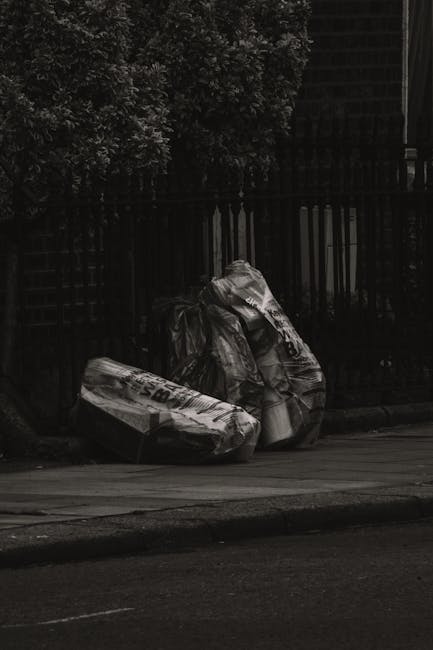
- Leaving items out too early. This can create mess, attract complaints, or breach local instructions.
- Assuming every bulky item is accepted. Some items need special disposal, and some may be refused.
- Forgetting about access restrictions. A collection crew cannot magically carry a wardrobe through a locked gate if nobody has arranged access.
- Mixing bulky waste with general rubbish. That makes sorting harder and can cause collection issues.
- Not checking whether dismantling is required. A bed frame that is still fully assembled can become a frustrating obstacle.
- Trying to lift unsafe items alone. This is where backs get twinged and tempers get short.
For moving-related disposal, a common mistake is forgetting about packaging and leftover material. People clear out the sofa, but the plastic wrap, straps, and boxes remain. If that sounds familiar, packing and boxes in Lampton may be useful while you sort the rest.
Also, don't underestimate timing. A collection booked for one date may not align neatly with your tenancy end, cleaning window, or handover. That's why many people pair bulky item planning with stress-free house moving advice and pre-move cleaning tips. It sounds like extra admin, but it usually saves effort later.
Tools, Resources and Recommendations
You do not need a van-load of fancy kit to manage bulky waste well, but a few basic tools make the job safer and less frustrating.
- Measuring tape: to check furniture dimensions and access points.
- Gloves: for grip and protection against sharp staples, splinters, or rough edges.
- Strong tape or straps: useful for securing loose parts.
- Blankets or floor protectors: helpful if items need to be moved through a property.
- Screwdriver or Allen key set: for dismantling bed frames or flat-pack furniture.
- Labels or notes: useful if multiple items are being dealt with over a few days.
If you're deciding between council collection, self-disposal, storage, or a full removal service, it helps to think in terms of effort, risk, and timing. That's often the real equation, not just the item count.
For example, a family clearing a spare room may only need one collection slot and a bit of disassembly. A tenant leaving a fourth-floor flat with no lift may need something more robust. In that situation, flat removals in Lampton or 3rd-floor stair access solutions can be worth reading before you commit to a plan.
If the item needs to be moved quickly because of an emergency move-out or last-minute handover, same-day removals in Lampton may be the more realistic route. It's not glamorous. It is, however, effective.
Law, Compliance, Standards, or Best Practice
When it comes to bulky waste, the broad best practice is simple: dispose of items legally, safely, and in a way that does not create risk for the public, neighbours, or collection staff. Councils generally set their own collection conditions, and residents should follow those instructions rather than improvising.
It is also sensible to treat any bulky item handling as a safety task, not just an errand. UK moving and waste-handling norms usually prioritise safe lifting, clear access routes, and proper segregation of anything potentially hazardous. That means no broken glass in an exposed bundle, no leaking liquids, and no unexpected sharp edges poking out of a torn chair.
Best practice usually includes:
- booking through the correct channel and waiting for confirmation
- setting items out only as instructed
- keeping pavements, fire exits, and communal corridors clear
- separating electrical items if they require different handling
- disclosing anything unusually heavy, awkward, or unsafe
If you're ever unsure, it's better to pause and check than to leave items in a way that breaches local rules. That advice sounds dull, but it saves real headaches. It also keeps everyone safer.
For residents who care about reducing waste where possible, it can help to think beyond disposal. Some items can be reused, repaired, or stored for later use. If sustainability matters to you, have a look at recycling and sustainability for a practical angle on the bigger picture.
Options, Methods, or Comparison Table
There are usually three realistic routes for bulky items in Lampton: council bulky collection, private removal, or storage for later reuse. The best option depends on urgency, item type, and how much physical effort you want to spend on it. Sometimes people want the cheapest route; other times they want the least stressful route. Those aren't always the same thing.
| Option | Best for | Pros | Watch-outs |
|---|---|---|---|
| Council bulky collection | One-off household items, planned disposal | Structured, tidy, familiar route for residents | May need advance booking; item rules can be specific |
| Private removals | Multiple items, urgent clearances, awkward access | Flexible timing, help with lifting, faster turnaround | Usually more expensive than council collection |
| Temporary storage | Items you are not ready to discard | Buys time for decisions, staging, or re-use | Not a disposal solution; can become expensive if delayed |
One practical way to decide is to ask three questions: How many items? How urgent? How hard to move? If the answer is "many", "urgent", and "very hard", you probably already know which direction this is heading.
For people comparing services, it can help to review removal services in Lampton, removal companies in Lampton, and man and van in Lampton. That gives you a broader sense of what support is available if council collection is too limited for your needs.
Case Study or Real-World Example
Here's a realistic Lampton scenario. A couple in a second-floor flat were replacing a worn sofa, a broken desk, and a mattress after a long period of working from home. They first assumed they could just leave everything outside on the evening before collection. Then they realised the building had controlled access, the hallway was narrow, and the mattress would not fit cleanly through the turn on the stairs. Classic.
Instead of forcing it, they measured the route, dismantled the desk, wrapped the sofa edges, and arranged things in stages. They used a storage solution for one item they were not sure about, and booked removal help for the heaviest pieces. The result was not dramatic, which is exactly the point. No torn walls, no neighbour complaints, no midnight stress.
The lesson is simple: bulky item rules are easier to follow when you think in terms of the whole job, not just the one object you want gone. A sofa can be a sofa, yes. But it can also be an access problem, a lifting problem, and a timing problem all at once.
That's why related prep content can be so useful. If you are still sorting the move itself, how to spot hidden fees in Lampton removal quotes is worth a look, especially if you're weighing council disposal against a private moving job.
Practical Checklist
Use this checklist before you book or move any bulky item.
- List every item clearly, including approximate size and condition.
- Check whether the item is accepted under the current collection rules.
- Measure stairways, lifts, doorways, and outside access points.
- Confirm whether dismantling is needed.
- Remove personal belongings from drawers, pockets, and hidden compartments.
- Keep the route to the item clear.
- Prepare gloves, tools, straps, or blankets if needed.
- Take photos before moving anything.
- Book the correct service and note the collection time.
- Do not leave items out earlier than instructed.
- Have a backup plan if the item turns out to be too heavy or awkward.
If you're moving on the same day as disposal, it can also help to think about your wider packing plan. A little order goes a long way, and moving house without stress is usually about sequencing more than speed.
Get a free quote today and see how much you can save.
Conclusion
The Hounslow Council bulky item rules are not especially complicated once you break them down into access, item type, timing, and preparation. For Lampton residents, the real trick is matching the disposal method to the job in front of you. One item? Council collection may be perfectly fine. A full room of furniture on a tight deadline? You may be better off with a tailored removal plan.
Either way, the smartest approach is the one that keeps you safe, keeps your building tidy, and saves you from last-minute panic. That's the bit people remember. Not the paperwork. Not the quotes. Just the relief of opening a clear hallway and knowing the heavy lifting is finally done.
And if you do need a hand with the bigger picture, start early, measure twice, and don't be shy about asking for proper help. It makes the whole thing feel a lot less like a chore and a lot more like a plan.