Moving into a Lampton 3rd-Floor Flat: Stair Access Solutions
Posted on 18/06/2026
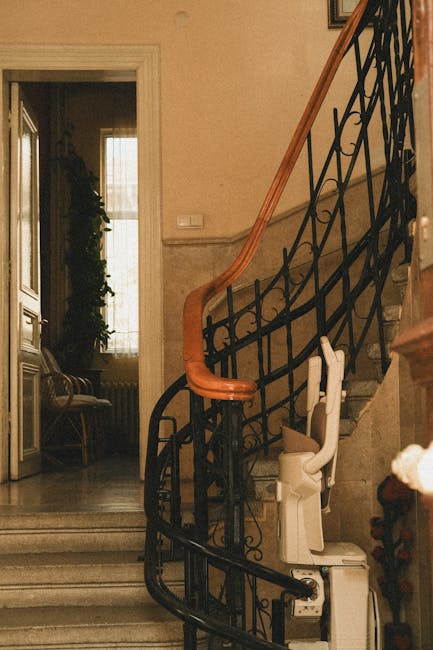
Moving into a third-floor flat is one of those jobs that sounds straightforward until you're standing at the bottom of a staircase with a sofa, a mattress, and a "how on earth are we doing this?" expression. In Lampton, where flats, tight communal stairwells, and awkward parking can all appear in the same move, stair access becomes more than a detail. It shapes the whole day.
This guide to Moving into a Lampton 3rd-Floor Flat: Stair Access Solutions walks through the planning, lifting, packing, and coordination that make the difference between a controlled move and a very long afternoon. You'll find practical stair access advice, common mistakes, legal and safety considerations, and a realistic step-by-step approach you can actually use. Nothing fluffy. Just the stuff that helps when the stairs are steep and the clock is ticking.
For wider moving preparation, it also helps to look at efficient packing tips for a smooth moving day and decluttering before you move. When the route is vertical, every box you don't need suddenly matters.
Why Moving into a Lampton 3rd-Floor Flat: Stair Access Solutions Matters
Third-floor access changes the shape of a move. You're not just transporting belongings from one address to another; you're managing width, weight, turning space, landing size, handrail positions, neighbour access, and sometimes a stairwell that seems to shrink when you carry a wardrobe into it. That's why stair access solutions matter so much.
In Lampton, flat moves often involve shared entrances, tighter stair runs, and the kind of parking arrangement that makes timing important. A good plan reduces physical strain, protects walls and banisters, and keeps the move within a workable window. It also lowers the chance of that awkward moment where a bed frame gets stuck halfway up the stairs and everyone has to pretend this is normal.
Stair access planning is also about respect. Respect for the building, for the neighbours using the same staircase, and for the people carrying the items. A move feels calmer when the route has been thought through instead of guessed on the day.
Key takeaway: a third-floor flat move succeeds or fails on route planning as much as on muscle. Measure first, carry second.
For some moves, especially where furniture is bulky or fragile, it is worth reading about the risks of moving a piano solo and single-handed strategies for moving heavy items. The principles overlap more than you'd think: route control, balance, patience, and not rushing the awkward corners.
How Moving into a Lampton 3rd-Floor Flat: Stair Access Solutions Works
At its simplest, stair access moving is about matching the items to the route. That means checking the staircase, understanding what can be carried upright versus flat, and deciding whether anything needs to be dismantled before the move starts.
A practical stair access solution usually includes five parts:
- Pre-move assessment - looking at the building entrance, hallways, stair turns, ceiling height, and any tricky landings.
- Item review - identifying oversized furniture, heavy appliances, or awkward shapes such as mattresses and wardrobes.
- Packing and protection - wrapping edges, securing drawers, and using covers or blankets to stop damage on the stairs.
- Carry plan - deciding who carries what, in what order, and how the staircase will stay clear.
- Contingency options - keeping a fallback plan if an item proves too large or if access changes on the day.
To be fair, most problems happen when people assume a staircase is "fine" because they have walked up it before. Walking and carrying are very different experiences. A box that feels light in your hands at ground level can suddenly feel twice as awkward by the second landing.
Good access planning also works alongside the rest of the move. If your essentials are clearly labelled and packed well, the unloading flow stays smooth. That's why advice like moving house without stress and packing and boxes support can be genuinely useful when stairs are part of the equation.
Key Benefits and Practical Advantages
A lot of people think stair access planning is just about avoiding hassle. It is that, yes, but it also creates a few very real advantages that are easy to overlook when you are focused on the move itself.
- Less damage to furniture - tighter stairwells increase the risk of scraping corners, splitting veneers, or tearing fabric.
- Lower risk of injury - lifts do not exist on every route, so carrying safely matters. A planned lift is a safer lift.
- Faster unloading - a clear stair strategy keeps the move moving, which is especially useful if the parking window is short.
- Better protection for the building - wall guards, blanketing, and careful route control help avoid marks on paintwork and banisters.
- Less stress for everyone involved - and honestly, that alone is worth planning for.
There's another benefit people often miss: making better decisions about what to bring upstairs at all. If a sofa is too large for the stair turn, you may decide to store it temporarily rather than force it. In that sense, access planning helps with protecting a couch in storage and choosing short-term storage in Lampton when needed.
That small pause can save you from a lot of frustration. Sometimes the smart move is not the fastest one. Funny how that works.
Who This Is For and When It Makes Sense
Stair access solutions are useful for anyone moving into a top-floor or third-floor flat, but they matter most when the property has one or more of the following features:
- narrow internal staircases
- tight turns or low landings
- communal entrances with limited waiting space
- heavy furniture that cannot safely be carried by one person
- appliances or delicate items that need careful handling
- restricted parking or short unloading distances outside the building
This is especially relevant for first-time renters, students, young professionals, and anyone downsizing from a house to a flat. It also comes up in same-day relocations, where there is less time to adjust the plan mid-move. If that sounds familiar, it may help to compare moving support options such as student removals in Lampton, man and van support, or fuller removal services in Lampton.
Some moves are simple enough to manage with a couple of friends and a trolley. Others are not. Truth be told, the moment a mattress meets a winding staircase, you learn very quickly whether the plan was realistic.
Step-by-Step Guidance
Here is a practical, no-nonsense way to handle a third-floor flat move in Lampton without letting the stairwell take over the day.
1. Measure the route before moving day
Measure the widest points of the staircase, the narrowest turn, the entrance doorway, and any hallway pinch points. Do not just estimate. Tape measure in hand, actually check. If you are bringing in wardrobes, mattresses, desks, or sofas, compare those dimensions with the route and allow for angle changes.
2. Identify the awkward items early
Not every item needs the same approach. Beds, mattresses, mirrors, glass tables, bookcases, and large appliances usually need more planning than clothes boxes or kitchen items. If you have specialist pieces, consider whether they need expert handling. For example, pianos and similar valuables are not the kind of thing to improvise with on a staircase.
3. Dismantle where sensible
Take apart bed frames, remove table legs, empty drawers, and detach shelves if that reduces size or weight. Keep screws and fittings in labelled bags. This one step can save you an enormous amount of swearing halfway up the stairs. Not ideal, obviously, but common.
4. Protect the building and the items
Use blankets, corner protectors, tape that will not leave residue, and covers for mattresses or upholstered furniture. If the route is tight, add extra padding around any exposed edges. A few extra minutes here can prevent visible marks in places that are hard to hide later.
5. Plan carrying pairs and order of loading
Heavier items should usually be carried by two capable adults using a steady, controlled pace. Lighter items can follow after the biggest pieces are in place. Many people find it easier to move the bulkiest items first while energy is fresh, then finish with boxes. That order is normally less chaotic.
6. Keep the stairwell clear
Never leave boxes scattered on landings where someone could trip. One small pause for safety is worth more than trying to save two minutes. Also, be considerate if there are other residents. Stairwells are shared spaces, after all.
7. Build in a buffer
If your parking slot, lift-free access, or key handover is tight, leave some breathing room. A move with stairs almost always takes a little longer than the optimistic version in your head. That's just life.
To prepare better for the day itself, many people also benefit from cleaning your home before you move and moving beds and mattresses safely. Small details, big difference.
Expert Tips for Better Results
These are the little things that tend to separate a smooth third-floor move from a difficult one.
- Use shoulder-height judgement. If an item forces a strange twist in the body, it is probably too awkward for the route as currently planned.
- Carry with the staircase in mind. Turn items slowly and keep the load close to the body where possible.
- Label what must go upstairs first. Essentials, bedding, kettle, chargers, and toiletries should be easy to reach once you arrive.
- Separate delicate from dense. A fragile lamp and a heavy box should never be treated the same way.
- Move at the pace of the narrowest point. Fast is not the goal. Controlled is the goal.
- Respect fatigue. Stairs wear people out sooner than they expect, especially with repeated trips.
A slightly underrated tip: wear proper shoes with grip. It sounds almost too basic to mention, but you'd be surprised how often people turn up in flimsy trainers and then regret it by the second landing. Simple things, really.
If you want to understand the mechanics a bit more, kinetic lifting principles can help you think about balance, leverage, and why awkward angles matter so much.
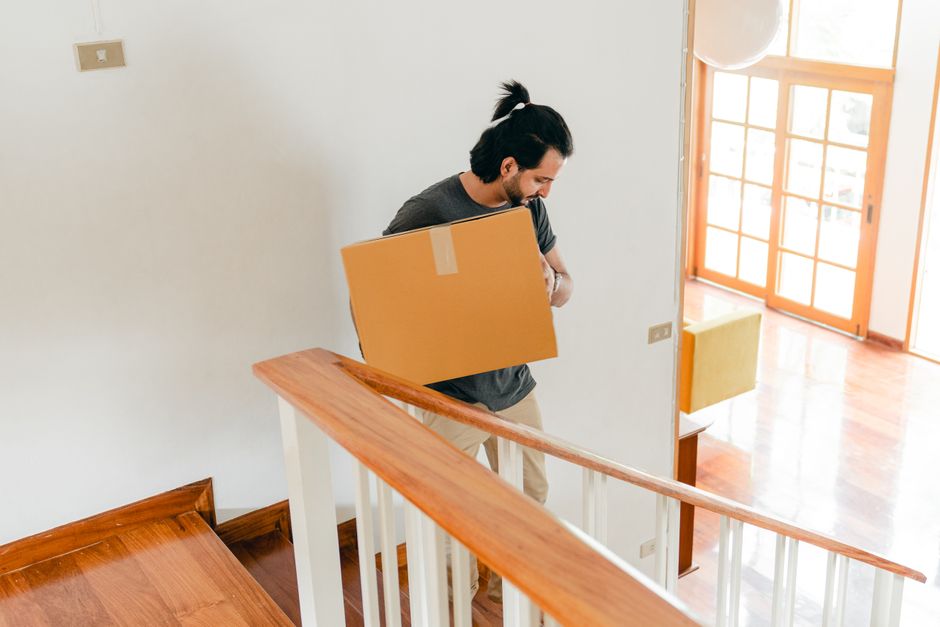
Common Mistakes to Avoid
Some mistakes happen because people are in a hurry. Others happen because the stairwell looks friendlier than it really is. Both are avoidable.
- Skipping measurements. Guessing the width of a stairwell is risky, especially with furniture that cannot be compressed.
- Forcing items around corners. If an item does not fit, forcing it can damage the item, the wall, or both.
- Ignoring weight distribution. A box packed with books may look small but still be brutally heavy.
- Overloading one person. Moving alone has its place, but heavy stair carries are not where you want to test your limits.
- Leaving access issues until the day. Parking, entry codes, and neighbour timings should be handled before the van arrives.
- Forgetting about fragile surfaces. Banisters, paintwork, and door frames often take the hit if the route is rushed.
There is also a financial mistake people make: not asking what happens if access is harder than expected. It is worth reviewing hidden fees to watch for in removal quotes and understanding the basics of pricing and quotes before you book. No one enjoys surprise charges. Not at all.
Tools, Resources and Recommendations
You do not need a warehouse full of equipment to move into a third-floor flat, but the right tools make a noticeable difference.
| Tool / Resource | Best use | Why it helps |
|---|---|---|
| Furniture blankets | Protecting tables, sofas, and appliances | Reduces knocks, scratches, and scuffs on tight stair corners |
| Straps or lifting harnesses | Carrying heavier items with two people | Improves control and reduces awkward grip positions |
| Mattress covers | Keeping mattresses clean on stairs | Protects against dirt, rain, and wall contact |
| Strong tape and labels | Box organisation | Makes unpacking faster and avoids opening the wrong box in a hallway |
| Dismantling tools | Breaking down beds and furniture | Often the difference between "fits" and "doesn't fit" |
For larger or more awkward moves, it can also help to read about furniture removals in Lampton, especially if your items need to be manoeuvred in pieces rather than as full units. And if you are deciding what should be moved now versus stored, storage in Lampton can be a very practical release valve.
If your flat move is part of a broader relocation, removals in Lampton and flat removals in Lampton are useful pages to compare as you narrow down support. And for those tricky local access issues, the guides on navigating narrow access on Lampton Road and parking access tips near Lampton Park Estate are worth a look.
Law, Compliance, Standards and Best Practice
Stair access moving is not usually about complex legal questions, but there are still proper standards to think about. In the UK, anyone carrying out removals professionally is expected to take health and safety seriously, work carefully around hazards, and avoid unnecessary risk. That means using sensible lifting technique, planning routes, and not pretending an obviously awkward item is "fine" just because it is almost through the doorway.
Best practice usually includes:
- risk-aware lifting and carrying
- clear communication between the people handling the item
- keeping communal routes unobstructed
- protecting surfaces from damage
- using suitable equipment for the load
- not overestimating what can be done safely by one person
For customers, it is wise to check that any mover you use has clear safety procedures, appropriate insurance, and straightforward terms. If something does go wrong, it is better to know how complaints are handled and what cover exists. The same goes for payment security and privacy. These are dull topics until they suddenly matter, and then they matter quite a lot.
It can also help to review provider pages such as insurance and safety, health and safety policy, terms and conditions, and payment and security. They are not exciting reading, but they do tell you a lot about how carefully a move is handled.
Options, Methods, or Comparison Table
There is no single right way to move into a third-floor flat. The best method depends on your furniture, the staircase, your timeline, and how much help you have. Here is a simple comparison to make the trade-offs clearer.
| Method | Best for | Strengths | Limitations |
|---|---|---|---|
| DIY with friends | Smaller loads, lighter furniture, flexible schedule | Lower upfront cost, familiar team | Less experience, higher risk with heavy or awkward items |
| Man and van support | Medium-sized flat moves | Practical, flexible, often cost-effective | May still need you to help with planning and packing |
| Full removal service | Heavier contents, busy days, more complex access | More coordination, more equipment, less stress | Usually more expensive than DIY options |
| Storage plus staged move | Overcrowded flats or uncertain access | Reduces pressure, allows sorting and delayed delivery | Requires an extra step and extra planning |
For many Lampton third-floor moves, a hybrid approach works best: dismantle what you can, store what you do not need immediately, and bring in help for the awkward pieces. That balance tends to feel much more manageable in real life.
Case Study or Real-World Example
A recent-style example: a couple moving into a third-floor flat in Lampton had a double bed frame, mattress, compact sofa, two wardrobes, and around thirty boxes. The entrance looked fine at first glance, but the turning space on the second floor landing was tighter than expected. A full wardrobe would not have gone around safely.
Instead of forcing it, they broke the wardrobes down, labelled all fittings, and moved the smaller pieces first. The mattress was placed in a protective cover, and the sofa was carried by two people with a measured lift at the tight turn. They also kept the first-night essentials separate, which meant they could find bedding, kettle, toiletries, and chargers without opening every box in sight.
The move still took effort, naturally. But it stayed controlled. No damage to the stairwell, no panic, no mystery screws left on the landing. That is the kind of result you want.
The biggest lesson was simple: the route mattered more than the list of items. Once the stair access was understood, the whole move became easier to direct.
Practical Checklist
Use this checklist before moving day. It is a small thing, but it keeps the whole process grounded.
- Measure stair width, landings, doors, and key turns
- Check whether any large furniture must be dismantled
- Prepare mattress bags, furniture covers, and protective blankets
- Label boxes by room and priority
- Set aside essentials for the first 24 hours
- Confirm parking, entry, and any access instructions
- Decide which items need two-person carrying
- Clear hallways and stairwells before unloading starts
- Keep tools, screws, and fittings in labelled bags
- Review safety, insurance, and quote details before booking
If you are still deciding on the right level of help, take a look at services overview and the practical advice on moving without stress. A little planning now can make the first night in the flat feel calm, not chaotic.
Get a free quote today and see how much you can save.
Conclusion
Moving into a Lampton third-floor flat is not difficult because it is impossible. It is difficult because the stairs make every small decision more important. The good news is that stair access solutions are mostly about preparation, patience, and honest judgment. Measure properly, break down what you can, protect the route, and use the right support for the heavy or awkward pieces.
When you approach the move this way, you reduce damage, protect your back, and make the day feel much more manageable. That matters. A flat move is already a big life moment without adding unnecessary strain to it.
And once the last box is inside and the kettle is on, you will be glad you took the time to plan the stairs properly. Seriously, it makes a difference.